Contextual Research and Information:
Gorwa, Robert, The Politics of Platform Regulation: How Governments Shape Online Content Moderation, Oxford Studies in Digital Politics (New York, 2024; online edn, Oxford Academic, 23 May 2024).
This source argues that governments all over the world have been increasingly towing the line of managing content in the media, and that to understand and fully capture the scope of platform regulation, we must look at in the context of these governments and global politics, “I argue that platform regulation has become merely another (albeit increasingly important) space of transnational political contestation in the global context,” (Gorwa, 2024).
Overall, this source relies mostly on qualitative data, in that most of its chapters and the main evidence behind the source’s argument are based on three case studies. These case studies are broad, in-depth, and international. With intense analysis separated by subheadings, each case study begs a different argument about platform regulation. In discussing Germany as the first example of regulation, New Zealand regulation in response to the Christchurch attack, and finally, the United States’ growing “conservative anti-tech interest groups” (Gorwa, 2024). It is able to develop a clear time frame with examples to demonstrate the full scope of platform regulation worldwide. This intended audience is clearly for academics, those in the media field who would have the time and interest to pursue a book like this. It could also very meaningfully be used as a textbook in a media class.
Gillespie, T. (2015). Platforms Intervene. Social Media + Society, 1(1). https://doi.org/10.1177/2056305115580479 (Original work published 2015)
The general argument that this article poses is that the platforms that we directly interact with are both influential to us and also “against” us in the way that our interaction is purely for economic gain, “Recognizing that social media platforms shape the social dynamics that depend on them allows us to draw connections between the design (technical, economic, and political) of platforms and the contours of the public discourse they host. Remembering that they are private businesses reminds us that some of their decisions will be craven, or financially motivated, or constrained in ways even they cannot recognize,” (Gillespie, 2015). In fact, according to Gillespie, this idea of a platform being both positive in acting as that platform and also acting in reference to finances is not unique to media; it can be applied to newspapers or television producers.
Statistics
From the New York Times articles “Black Lives Matter May Be the Largest Movement in History”8
Number of people in U.S. who said they protested, according to polls
| Poll | Pct. who protested | Implied population | Polling period |
| Kaiser Family Foundation (n = 1296) | 10% | 26 million | June 8-14 |
| Civis Analytics (4446) | 9% | 23 million | June 12-22 |
| N.O.R.C. (1310) | 7% | 18 million | June 11-15 |
| Pew (9654) | 6% | 15 million | June 4-108 |
Source: New York Times
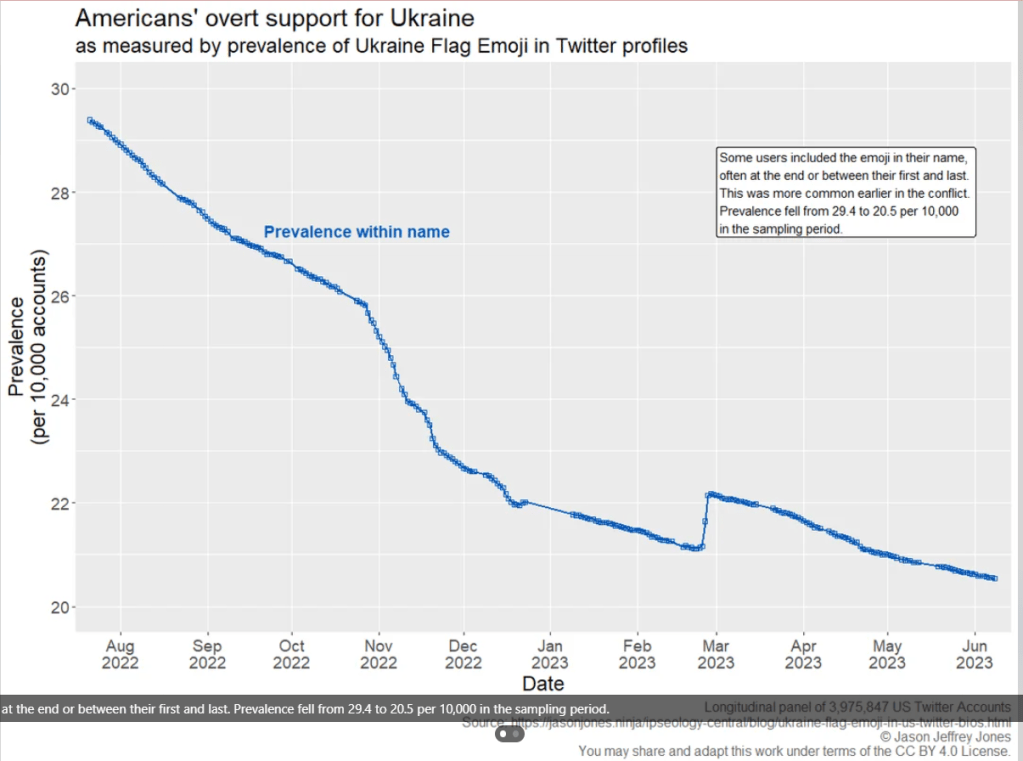
Source: jasonjonesresearch
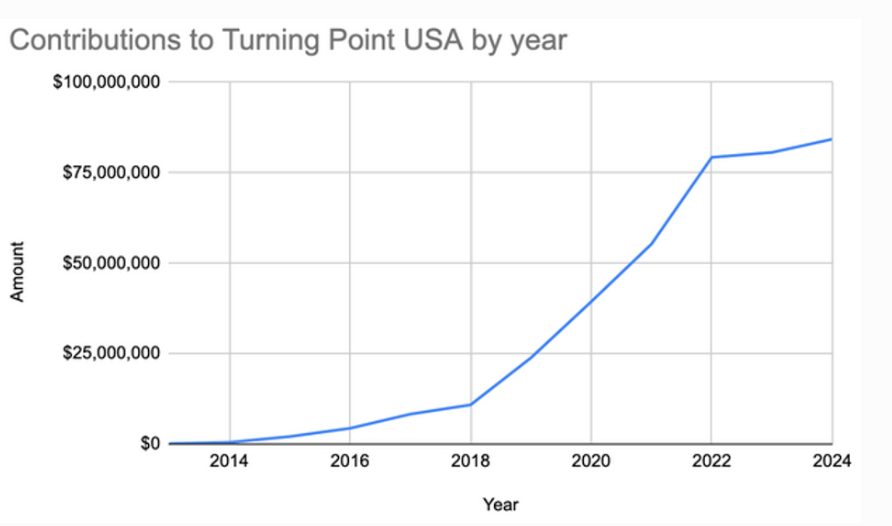
Source: Forbes
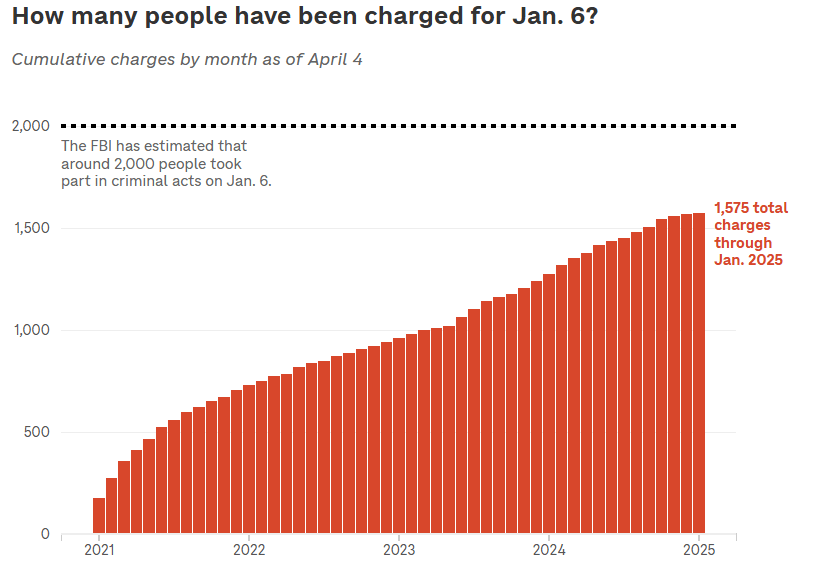
Source: NPR
 Capstone Project: The Modernization of the Revolution